Member Login

Protect Yourself From Fraud
Scammers are always changing their methods to gain unauthorized access to your personal data. Safeguarding yourself by becoming acquainted with these vital guidelines and reminding watchful for any unusual account activities.
Fraud Tips:
- Do not share your one-time passcodes, PINs, passwords, or debit and credit card numbers.
- Review your monthly statements for anything that isn't normal.
- MACU will NEVER contact you to ask for your personal information by email, text, or an unsolicited call.
- Do not open any emails from people you do not know or click on the link within the message.
- Use account alerts to stay on top of your account activity.
- Use caution with pop-up windows. If prompted, do not enter personal information or call an unverified number.
- Consider signing up for IDProtect through MACU.
For additional tips and resources on protecting you and your family from identity theft and fraud, visit our partner, GreenPath, or call us for more information.
Please contact us immediately at 219-874-6943 if you think or know you've been a victim of fraud.
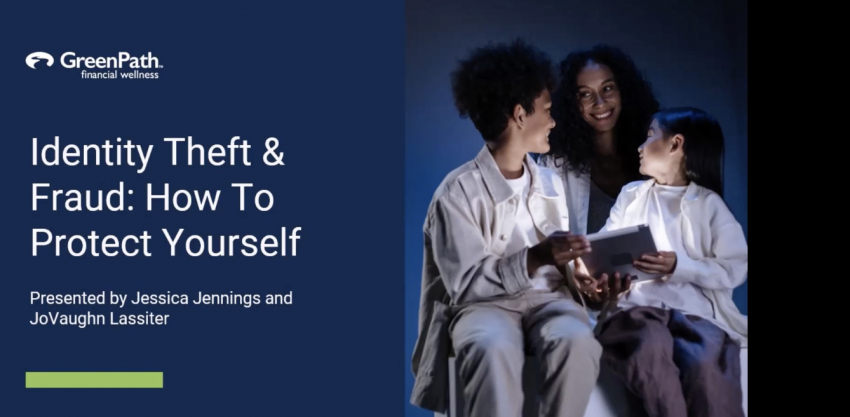
Identity Theft & Fraud: How to Protect Yourself
In today's hyper-connected world, safeguarding your online identity is paramount. Join us for an insightful recorded webinar hosted by GreenPath Financial Wellness. They will delve into the essentials of identity theft and online fraud, illuminate common scams to watch out for, and equip you with strategies to fortify your digital defenses.

Common Questions on Debt Management Plans
When it comes to Debt Management Plans (DMPs) there can be a lot of unknowns—how they are set up, what the process looks like on our side, and the ways debt management can impact your overall financial picture. We’re wholehearted believers that educating yourself is the first step towards building healthy money habits, so we’ve rounded up several questions that our counselors hear most often.

4 Steps to Take with Your Student Loans
Borrowers should be ready to make student loan payments. Here are steps to move forward as protections end.

Download 4 Steps to Take with Your Student Loans PDF
What is Spoofing?
Spoofing is when a caller changes the information on your caller ID display on purpose to hide their identity. They use neighbor spoofing so it appears that an incoming call is coming from a local number, or spoof a number from a company or a government agency that you may already know and trust. If you answer, they try to steal your money or personal information, which can be used in fraudulent activity.
Click the link for more information about spoofing.

Starting From Scratch: How to Build Credit
What do renting an apartment, getting a job offer, and car insurance rates all have in common? Your credit history could impact every one of these things (and more)! Credit is important for more than just getting a loan, although it impacts that too.

Understanding Your Credit Handout
Checking Account Responsibilities
Financial frustrations are common. Mobile banking apps can help you feel confident before a purchase by allowing you to check your available balance.

Celebrate No Spend November!
November brings longer nights, shorter days, and a time to reflect on all that we are grateful for.

Get Smart About Debt: 7 Tips to Help You Get Out of Debt NOW
If you are dealing with debt, you aren’t alone.


